

If you suspect you might have an outstanding warrant in North Carolina, the most important thing to understand is that checking the wrong information can get you arrested on the spot. There are safer and riskier ways to find out, and the method you choose matters. In North Carolina, arrest warrants are public records, but the state’s online search tool has a significant limitation that catches many people off guard. A Carteret County criminal defense attorney can check for warrants on your behalf confidentially, without putting you at risk of immediate arrest, and advise you on the safest way to resolve the situation.
What Is an Arrest Warrant in North Carolina?
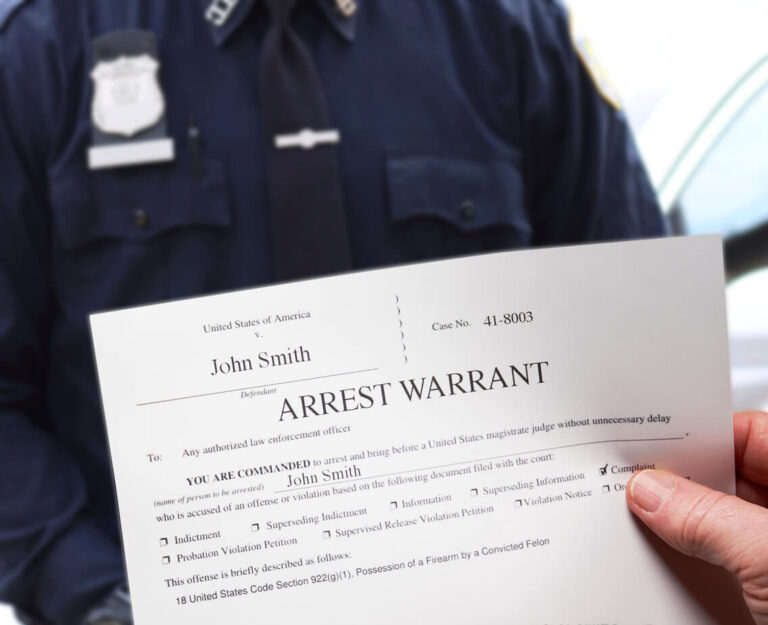
An arrest warrant is a court order signed by a judge or magistrate that authorizes law enforcement to take you into custody. It is issued when a law enforcement officer or prosecutor presents evidence of probable cause — a reasonable basis to believe you committed a specific offense. The warrant names you, states the charge, and directs officers to bring you before the court.
An arrest warrant does not mean you have been convicted of anything. It means a judge has found enough preliminary evidence to justify an arrest. Once a warrant exists, it remains active indefinitely until you are arrested or the issuing judge recalls it. There is no expiration date.
North Carolina issues several types of warrants. The most common are arrest warrants (for new charges) and bench warrants, also called orders for arrest, which are issued when someone fails to appear for a scheduled court date or violates a condition of their release. Both have the same practical effect: law enforcement can arrest you on sight.
The Critical Limitation of North Carolina’s Online Search Tool
North Carolina’s court system offers a public case search portal through the NC Judicial Branch. Many people assume this tool will tell them whether they have an outstanding warrant. It will — but only for orders of arrest in cases where you were already served and missed a court date.
It does not show warrants issued for new charges. If law enforcement has sworn out a warrant against you for a new offense, that warrant may not appear in the online portal at all. Searching online and seeing nothing does not mean you are in the clear.
This is one of the most consequential gaps in the public-facing information about NC warrants. People search, find nothing, and assume they have no exposure when, in fact, a warrant for a new charge may be sitting at the courthouse or with the sheriff’s office waiting to be executed.
How to Check If You Have a Warrant in North Carolina
With that limitation in mind, here are the main methods — from safest to riskiest.
Option 1: Have an Attorney Check for You (Safest)
The safest way to check for a warrant is to have a defense attorney make confidential inquiries on your behalf. An attorney can contact the clerk’s office, the sheriff’s department, or law enforcement contacts without triggering an arrest. If a warrant exists, your attorney can advise you on exactly what it is for, whether it can be resolved without you turning yourself in, and how to handle a surrender — if necessary — in a way that minimizes the risk of a high bail or a chaotic arrest at your home or workplace.
Option 2: NC Judicial Branch Online Portal
The NC Courts public case search is available at nccourts.gov. Search your name and county. If you see an “order for arrest” listed on an existing case, a bench warrant has been issued, typically because a court date was missed. As noted above, this tool will not show warrants for new charges, so a clean result here is not a guarantee.
Option 3: Contact the Clerk of Court
You or someone acting on your behalf can contact the Clerk of Court in the county where you believe a charge may have been filed. Clerks maintain active warrant records for cases that have been processed through their office and can confirm whether a warrant has been issued in your name. This is more comprehensive than the online portal, but still may not surface a warrant that has been issued but not yet entered into the court system.
Option 4: Contact the Sheriff’s Office or Police Department (Riskiest)
Use this option with extreme caution. You can call or visit the sheriff’s office or local police department and ask whether a warrant exists in your name. Some agencies will answer over the phone. Many will not, and may require you to come in person, at which point, if a warrant exists, you can be arrested immediately. Do not walk into a law enforcement office to check for a warrant without first speaking to an attorney.
What Happens If You Have an Outstanding Warrant?
If a warrant exists, the worst thing you can do is ignore it. Warrants do not expire in North Carolina. They follow you. They will surface during traffic stops, background checks for employment or housing, and any contact with law enforcement. The longer a warrant goes unaddressed, the more complicated and expensive the situation tends to become.
If your warrant stems from a missed court date, you may be facing a failure to appear charge on top of your original offense. North Carolina takes FTAs seriously: a missed court date triggers an automatic license revocation and a separate misdemeanor charge. Addressing the underlying warrant promptly is the only way to stop that clock.
Should You Turn Yourself In?
Sometimes, but the timing and approach matter enormously. An attorney can often negotiate the terms of a surrender in advance, including contacting the prosecutor about bail before you walk in. That conversation can make the difference between being released the same day and sitting in a cell over a weekend waiting for a bond hearing.
If your warrant involves a felony charge, do not attempt to handle this on your own. The stakes are higher, bail is likely to be significant, and what you say and do in the hours around your arrest can affect your defense down the line.
What If the Warrant Is a Mistake?
Warrant errors happen. Your name may be similar to someone else’s, a case may have been filed against the wrong person, or a warrant may reflect a charge you were never properly served with. An attorney can research the warrant, identify whether it has been issued in error, and petition to have it recalled without you needing to go through an arrest first.
Talk to Cateret County Criminal Defense Lawyer
If you think there is any chance a warrant has been issued in your name in Carteret County or anywhere in North Carolina, get legal guidance before you call the police or walk into a sheriff’s office. The few minutes it takes to make that call can protect you from an unnecessary arrest, an avoidable bail amount, and a situation that escalates before it needs to. Contact Hancock Law Firm today.