

Can You Get a DWI for Prescription Medication?
Yes. In North Carolina you can be charged with DWI for driving while impaired by prescription or over-the-counter medication, even taken as directed. G.S. § 20-138.1 covers impairment by any impairing substance, not just alcohol. A valid prescription is not a defense to impaired driving, though the State must still prove impairment.
North Carolina DWI Law Covers More Than Just Alcohol
Under N.C. Gen. Stat. § 20-138.1, it is illegal to operate a vehicle while impaired by any impairing substance, not just alcohol. This includes prescription medications and over-the-counter drugs that affect your ability to drive safely.
Common medications that can impair driving include:
- Sleep aids and sedatives
- Prescription painkillers (such as opioids)
- Anti-anxiety medications
- Cold and allergy remedies that cause drowsiness
Even if you have a valid prescription and take the medication exactly as directed, you can still be charged with DWI if law enforcement believes your ability to drive was impaired. In Carteret County, officers follow statewide protocols to identify signs of drug-related impairment, and these cases are taken seriously in local courts.
How Law Enforcement Determines Impairment from Prescription Drugs
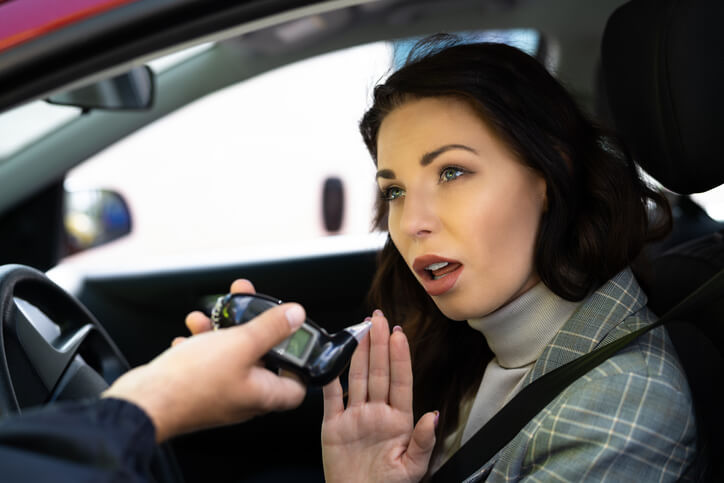
Unlike alcohol-related DWIs, there is no breathalyzer for prescription drugs. Instead, law enforcement in Carteret County relies on a combination of tools and observations to determine impairment:
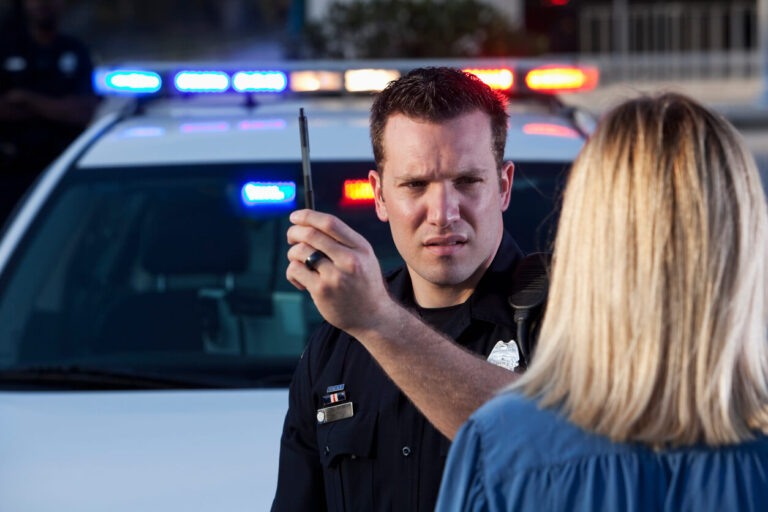
- Field sobriety tests to assess balance, coordination, and cognitive function
- Officer observations of speech, eye movement, and behavior
- Blood or urine toxicology tests to detect the presence of drugs
In some cases, a specially trained Drug Recognition Expert (DRE) may be called in to evaluate the driver. However, field sobriety tests are generally less reliable for detecting drug impairment than alcohol, and the presence of a drug in your system doesn’t automatically mean you were impaired.
Toxicologists often emphasize that dosage, timing, and the known side effects of a medication must be considered. For example, a blood test may show a therapeutic level of a drug, but that alone doesn’t prove you were too impaired to drive.
Common Misconceptions About Prescription Drug DWIs
Many drivers in Carteret County are caught off guard by DWI charges involving medication. Here are some common misunderstandings:
- Myth: A valid prescription protects you from DWI charges.
- Myth: DWI laws only apply to alcohol.
- Myth: Over-the-counter medications can’t cause impairment.
In reality, North Carolina law focuses on whether your ability to drive was impaired, regardless of the substance’s legal status. Even common cold medicines or sleep aids can cause drowsiness or slowed reaction times. Another source of confusion is testing. Unlike alcohol, there’s no quick roadside test for prescription drugs, so impairment is often determined through officer judgment and lab results.
Legal Defenses and What to Do If You’re Charged in Carteret County
If you’ve been charged with a DWI involving prescription medication, it’s important to speak with a defense attorney who understands drug-related DWI cases in North Carolina. These cases often involve complex medical and legal issues.
Possible defense strategies may include:
- You took the medication exactly as prescribed
- There was no actual impairment at the time of the stop
- Field sobriety tests were improperly administered or inconclusive
- Toxicology results do not support a finding of impairment
Your attorney may also recommend working with a toxicology expert to evaluate whether the drug levels in your system were consistent with safe, legal use. Keeping detailed records of your prescriptions, dosage, and medical history can also support your defense.
In Carteret County courts, judges may consider whether the presence of a drug truly impaired driving ability. A strong legal defense can make a significant difference in the outcome of your case.
How to Protect Yourself If You Take Prescription or OTC Medications
If you take medication, prescription or over-the-counter, it’s important to take steps to avoid unintentional impairment while driving:
- Ask your doctor or pharmacist whether the medication may affect your ability to drive
- Avoid driving if you feel drowsy, dizzy, or otherwise impaired
- Keep documentation of your prescriptions in your vehicle
- Be cautious when starting a new medication until you know how it affects you
Being proactive can help you stay safe and avoid legal trouble. Many responsible drivers in Carteret County take these precautions to protect themselves and others on the road.
Charged with a DWI for Prescription Medication? Talk to a Carteret County Defense Attorney
If you’ve been charged with a DWI involving prescription or over-the-counter medication in Carteret County, don’t assume your prescription will protect you. At Hancock Law Firm, PLLC, Joel Hancock understands the legal and scientific nuances of drug-related DWI cases. Contact his office to schedule a consultation and get the experienced legal guidance you need.