

Hancock Law Firm, PLLC · 601-A Cedar St, Beaufort, NC 28516
Call 252-515-1516 · Request a free consultation
Why Choose Hancock Law Firm?
Drug charges can threaten your freedom, your livelihood, and your future, even for a first offense. Hancock Law Firm provides steady, informed defense focused on reducing charges, protecting your record, and guiding you through every step of the process.
- Free, confidential consultations
- Deep familiarity with Carteret County courts and prosecutors
- Personalized defense strategies based on the facts of your case
- Clear communication and direct attorney access
- Extensive experience handling North Carolina drug charges
Contact Hancock Law Firm today for a free consultation.
What Drug Charges Could I Be Facing?
Every criminal case is different. Depending on your particular circumstances, you could be facing a variety of different charges, including:
- Drug possession charges for common street drugs such as marijuana, heroin, cocaine, and more
- Drug possession charges for synthetic drugs such as Spice and synthetic marijuana
- Intent to sell and distribute controlled substances
- Manufacturing, sale, trafficking, and delivery of drugs
- Prescription drug charges, including prescription fraud and forgery
- Distributing prescription drugs to others
- Conspiracy
- Distributing drugs to minors
Each of these charges has their own elements that must be proven beyond a reasonable doubt in order for you to be convicted.
How Are Drugs Classified Under North Carolina Law?
Our state’s legal system categorizes drugs into one of six “schedules.” Schedule I drugs are considered the most dangerous, and Schedule VI is considered the least. Some of the drugs that are included in each schedule are:
- Schedule I: heroin, ecstasy, and opiates
- Schedule II: cocaine, morphine, codeine, methadone, and opium
- Schedule III: ketamine, anabolic steroids, and barbiturates
- Schedule IV: valium, Xanax, and other depressants and stimulants
- Schedule V: over-the-counter cough medicine with codeine
- Schedule VI: marijuana, THC, and hashish
How Does North Carolina Treat Drug Crimes?
It is illegal to possess, manufacture, use, sell, deliver, or traffic any controlled substance in North Carolina. It is also illegal to possess these substances with intent to manufacture, sell, or deliver. Counterfeit controlled substances (anything that is not the drug itself but that is knowingly sold as a drug) are also covered by these statutes.
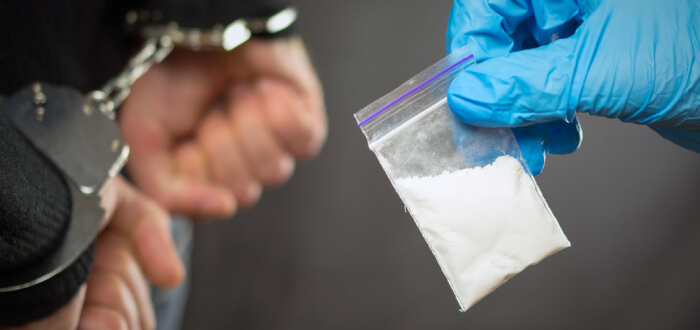
North Carolina has some of the harshest drug laws in the country. Whether you face a felony or misdemeanor charge will depend on the type of controlled substance, the amount, and actions and intent related to the drug. Being arrested with a small quantity of drugs has different consequences, for example, than being arrested with large quantities that are packaged in tiny bags.
What Constitutes Possession Of A Controlled Substance?
Most people think of possession of drugs as being found with them on your person. But the law is more complicated than that. Possession can be charged in the event of actual or constructive possession of drugs:
- Actual possession. This means the drugs were found on your person: in your hands, in your pockets, in your purse, etc. To gain a conviction, the prosecution must show that you had actual knowledge of the presence of drugs with intent to control, use, or dispose of them.
- Constructive possession. This means you had the intent and ability to control the drugs, even if they were not found on your person. You may be charged with this if drugs are found in your office, home, or vehicle.
Although there is no difference between the two with respect to sentencing, constructive possession is broader and can give prosecutors more leeway in trying to convict you.
What Is Drug Trafficking in North Carolina?
Drug trafficking laws are designed to cover large-scale possession, transportation, and distribution of controlled substances. Whether someone is charged with trafficking will turn on the amount of drugs the defendant allegedly possessed. A conviction for trafficking will require a mandatory minimum prison sentence, making it one of the more serious drug crimes.
What Is Considered Drug Paraphernalia?
Possessing certain items can make the police suspect that you are engaged in drug crimes. For example:
- Scales
- Baggies
- Rolling papers
- Pill bottles
- Bowls
- Bongs
- Syringes
- Needles
You may possess these items for legitimate purposes, which can open the door to one of several defenses that may be argued in your case.
Do First-Time Drug Offenders Go to Jail in North Carolina?
Whether first-time drug offenders go to jail in NC depends heavily on the specific circumstances, like the type and amount of drug, presence of intent to distribute, and any prior criminal history. While some first-time offenses with minimal possession might qualify for probation or diversion programs, harsher penalties, including jail time, are also possible. Talking with an experienced NC criminal defense attorney can help you understand the options and the likely outcomes.
Contact Carteret County Drug Crimes Defense Attorney Joel Hancock
Your future is too important to face a criminal charge on your own. Trust Hancock Law Firm to challenge the evidence in your case and defend your rights as a criminal defendant. Call Hancock Law Firm today for a consultation.