

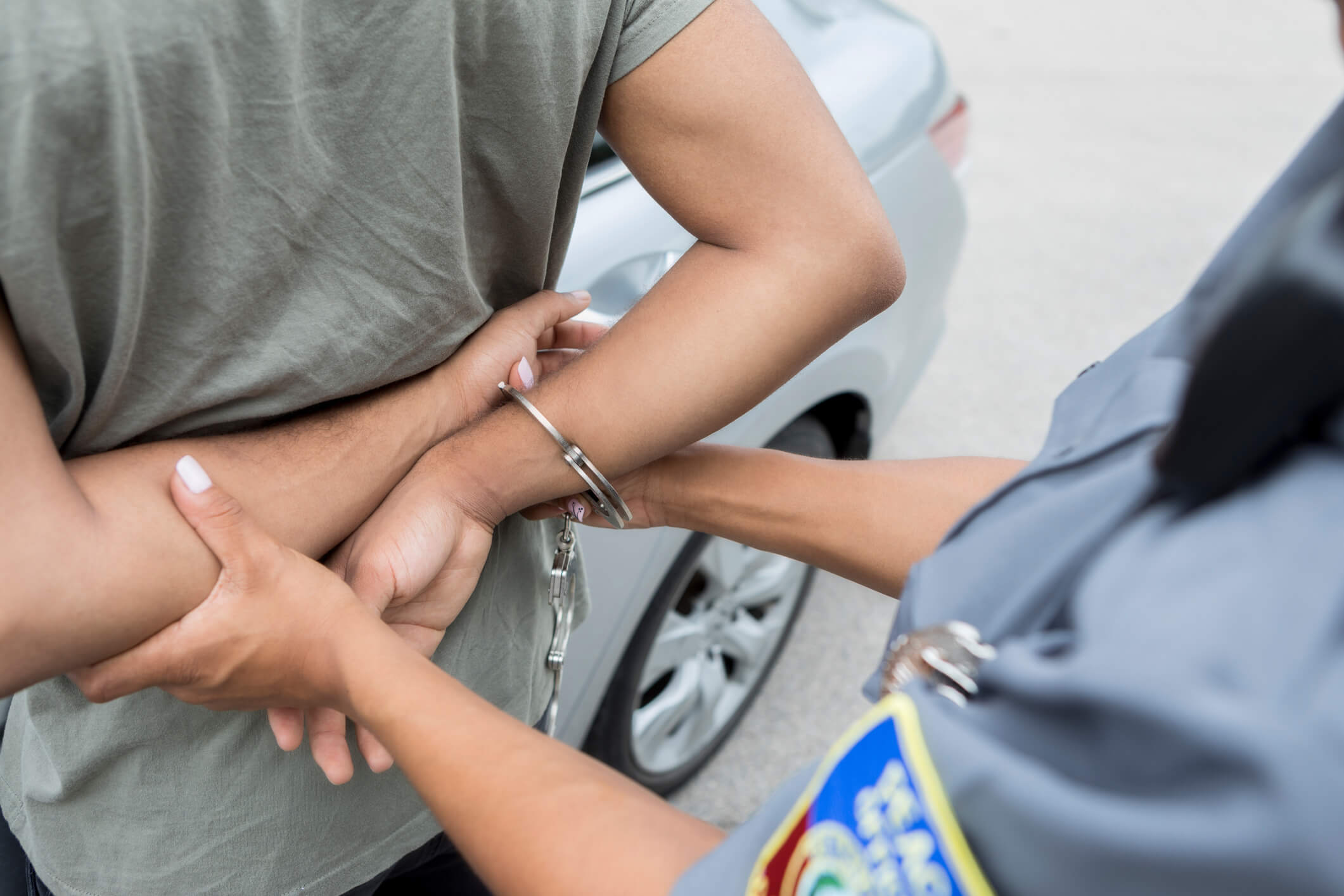
What Happens If You Accidentally Resist Arrest?
In North Carolina, you can be charged with resisting arrest even if you never intended to fight with an officer or interfere with an arrest. Panic, confusion, intoxication, a slow reaction, or simply misunderstanding a command can all lead to a charge of resisting, delaying, or obstructing an officer. In his Carteret County practice, Joel Hancock sees this charge added on far more often than people expect.
Whether the conduct was intentional is usually the central question in the case. A resisting charge does not automatically mean a conviction, especially when you have an experienced criminal defense attorney reviewing exactly what happened.
What is resisting arrest in North Carolina?
North Carolina usually charges this conduct as resisting, delaying, or obstructing an officer, often shortened to RDO. The law generally prohibits intentionally interfering with a law enforcement officer who is performing official duties.
These cases tend to come out of situations like:
- Traffic stops
- Disorderly conduct investigations
- DWI arrests
- Domestic disturbance calls
- Attempts to detain or handcuff someone
Not every resisting charge involves violence or a physical fight. In many of the cases Joel Hancock handles, the allegation is simply that someone did not follow commands quickly enough or pulled away while being arrested.
Can someone resist arrest by accident?
As a factual matter, yes. Many of the people he represents never intended to interfere with the officers at all. For example, someone may:
- Panic during a stressful encounter
- Instinctively pull away while being handcuffed
- Fail to hear a command clearly
- Hesitate out of confusion
- React emotionally during an argument
Medical conditions, intoxication, anxiety, or physical limitations can all affect how a person responds during an arrest. But the fact that you did not intend to resist does not, by itself, stop the charge from being filed. Officers may still read certain movements as interference.
What evidence is used in resisting arrest cases?
These cases often rise and fall on the officer’s account. Prosecutors may rely on:
- Police reports
- Body camera footage
- Dash camera recordings
- Witness statements
- Audio from the scene
Video can be decisive. Sometimes it backs up the officer. Other times it shows confusion, unclear instructions, or conduct that looks far less aggressive than the report described. Joel Hancock looks closely at that footage in every one of these cases.
Does pulling away automatically count as resisting?
Not necessarily. A brief physical reaction does not always prove criminal intent, and context matters. Depending on the facts, he may argue that:
- You did not realize you were under arrest
- The commands were unclear
- The reaction was instinctive, not intentional
- The officer escalated the situation too quickly
- You were only trying to keep your balance or avoid injury
What are the penalties for resisting arrest in NC?
Resisting, delaying, or obstructing an officer is typically a misdemeanor in North Carolina. A conviction can carry:
- Jail time
- Probation
- Fines
- A permanent criminal record
In some situations prosecutors file additional charges if they allege violence, threats, or injury during the encounter. A resisting allegation can also change how prosecutors and judges view the underlying case.
How Joel Hancock defends these charges
The right strategy depends on the facts. In resisting cases he often focuses on lack of intent, conflicting witness accounts, incomplete police reports, unclear commands, constitutional problems with the stop or arrest, and video that contradicts the allegations. Stressful encounters escalate quickly, and because these cases lean so heavily on an officer’s observations, a careful review of the evidence is essential.
Charged With Resisting Arrest in Carteret County?
If you were charged with resisting arrest in Carteret County, don’t assume it’s hopeless just because an officer filed it. These cases often turn on disputed facts and differing accounts of what actually happened. The sooner you contact his office, the sooner he can review the allegations, preserve the evidence, and protect your rights.